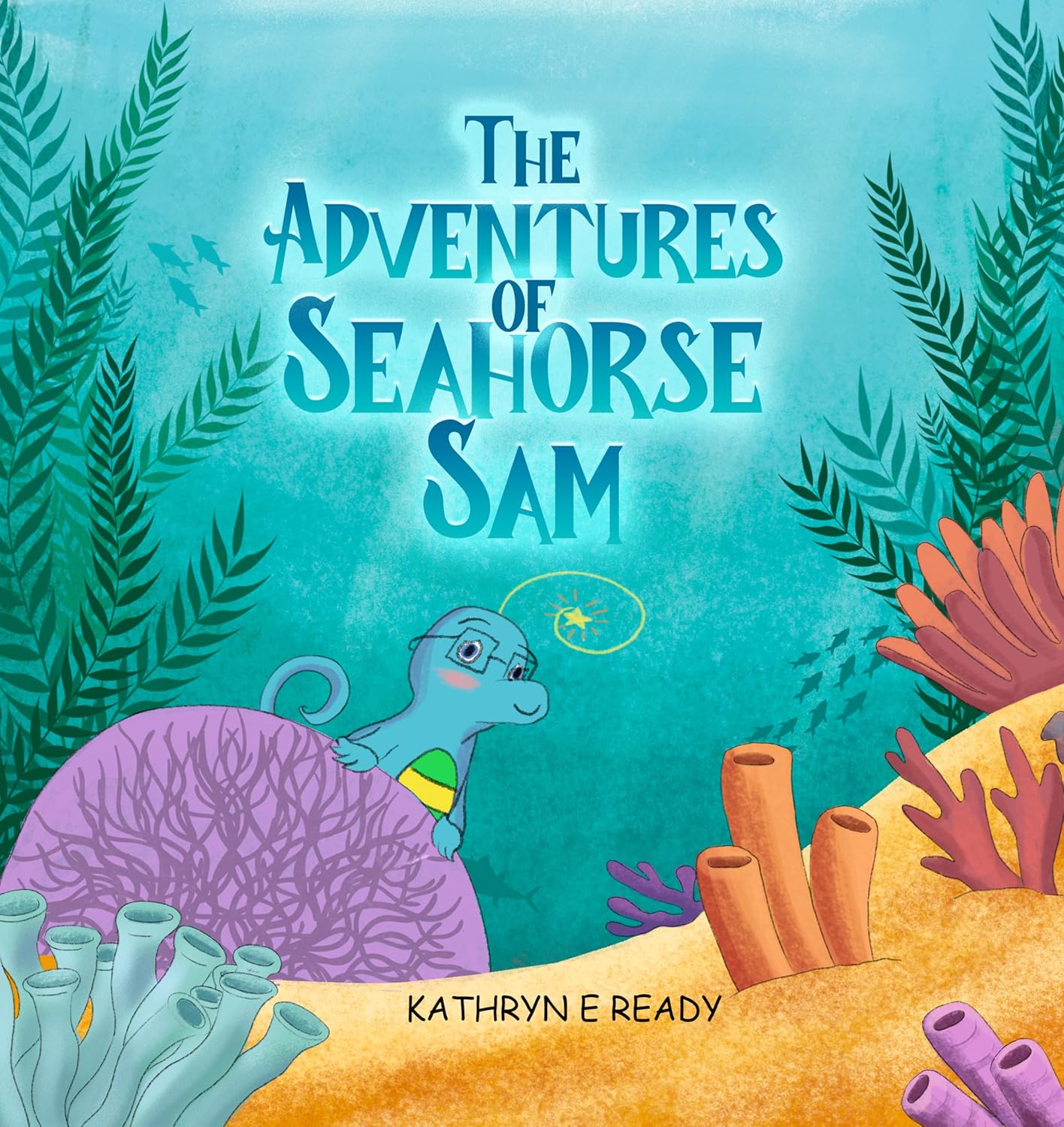
Bullying and teasing can be difficult experiences for children, leaving them feeling isolated, confused, and hurt. In The Adventures of Seahorse Sam by Kathryn E. Ready, young readers meet Sam, a seahorse who faces teasing from his peers due to his unique tail. Sam’s journey highlights the importance of resilience, self-acceptance, and the value of supportive relationships. Through his experiences, children can learn valuable strategies for overcoming teasing and bullying, empowering them to handle similar situations in their own lives.
Recognize Your Feelings
Sam’s story reminds us that it’s natural to feel hurt when teased or bullied. Recognizing and acknowledging these feelings is the first step toward dealing with them. Encourage children to express their emotions by talking to a trusted adult or writing in a journal. By validating their feelings, children can gain clarity and start to build their confidence.
Embrace Individuality
Sam learns to embrace his differences, understanding that his unique tail is what makes him special. Children should be encouraged to celebrate their individuality, whether it’s a unique trait, hobby, or interest. Remind them that everyone has something that sets them apart, and these differences are what contribute to a rich and diverse community.
Develop Self-Confidence
Building self-confidence is key to handling teasing. Children can work on developing a positive self-image by engaging in activities they excel at and enjoy. Just as Sam shines when he crafts clever stories about Bright Moon Bay, encourage children to explore their passions and showcase their talents. This sense of accomplishment can help them feel more secure and less affected by the words of others.
Practice Assertive Communication
When confronted with teasing or bullying, assertive communication can be an effective tool. Teach children how to respond calmly and confidently. For instance, they might say, “I don’t like it when you tease me. Please stop.” Sam demonstrates this when he navigates his interactions with the other sea creatures, showing that standing up for oneself can be done with kindness and confidence. Practicing assertive responses through role-playing can prepare children for real-life situations.
Seek Support from Friends
Sam’s supportive relationships with his underwater friends are pivotal to his journey. Encourage children to seek out friends who uplift and encourage them. Having a support system can make a significant difference in how they handle teasing. Teach children the importance of surrounding themselves with positive influences and remind them that it’s okay to seek help from friends or trusted adults when they face bullying.
Focus on Kindness
One of Sam’s greatest strengths is his kindness and empathy. By choosing to respond to teasing with kindness instead of anger or sadness, children can shift the narrative. Encourage them to practice kindness not only towards others but also towards themselves. This can help diminish the power that teasing holds over them. When children embody kindness, they can inspire change in their peers, creating a more supportive environment for everyone.
Report Bullying
If teasing escalates into bullying, it’s essential for children to know when and how to seek help. Sam learns that he has the support of his mother, who encourages him to use his unique gifts to help others. Similarly, children should be empowered to report bullying to a trusted adult—whether it’s a parent, teacher, or school counselor. It’s important for children to understand that seeking help is a sign of strength, not weakness.
The Adventures of Seahorse Sam provides a heartfelt narrative that resonates with children facing teasing and bullying. Sam’s experiences illustrate the importance of self-acceptance, the value of supportive relationships, and the power of kindness. By adopting the strategies highlighted in Sam’s journey, children can develop the resilience and confidence needed to navigate the challenges of teasing and bullying. It’s essential for children to understand that they are not alone and that, like Sam, they can find strength in their uniqueness and the support of their friends.